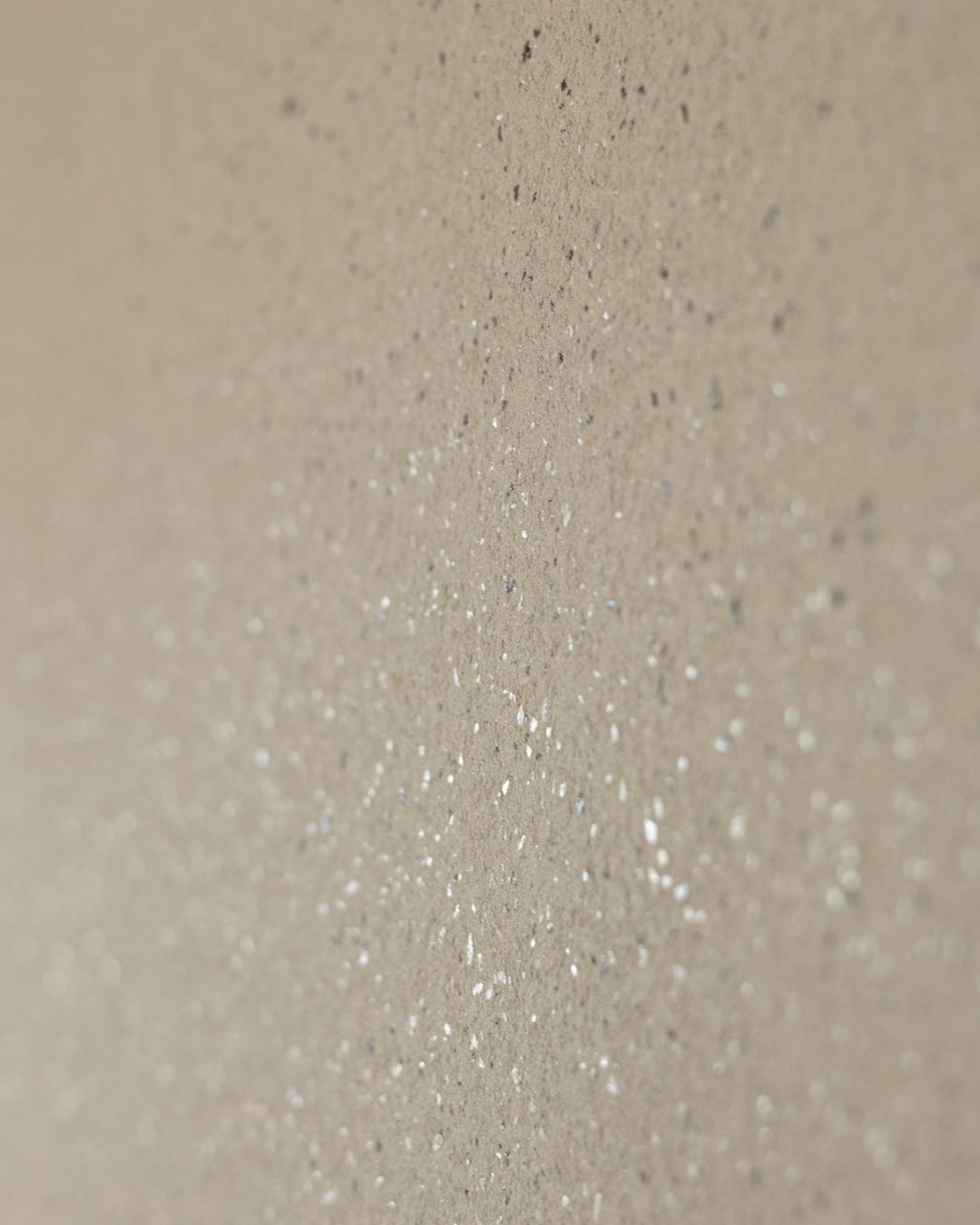
Decorative mass in the kitchen – is it a good choice?
Although the kitchen is primarily considered a practical space, its finish increasingly requires aesthetics equal to living rooms. With the growing popularity of open-plan layouts, the boundaries between the working area and the relaxation zone have started to blur. In this context, it is not surprising that interest in decorative wall solutions is increasing, with decorative mass attracting particular attention. The question of whether it is truly worth it is not only a matter of taste – it requires consideration of a number of technical, functional and visual aspects.
What is decorative mass and where is it used?
Decorative mass is a general term for various types of ornamental plasters, which, in addition to their aesthetic role, can also protect wall surfaces. Among the most popular types are stuccos, travertines, decorative concrete or acrylic masses with a sand, stone or metallic structure. Their characteristic feature is the ability to achieve a three-dimensional effect, light reflections or imitation of natural materials. Although traditionally used in living rooms or halls, they are increasingly moving into kitchens – both as full wall finishes and as accents above countertops.
Advantages of decorative masses in the kitchen
The first advantage is the visual effect. Decorative mass is difficult to mistake for classic paint or tiles – its texture and depth give each surface a unique character. The possibility of coloring the mass and shaping its texture gives designers a great deal of freedom, especially desired in loft, industrial or glamour interiors. But it is not just aesthetics that make it an attractive option.
High-quality decorative masses are resistant to moisture, high temperature and abrasion. Thanks to this, they work not only on the wall behind the table but also in more demanding areas such as above the stove or sink. Their surface can be additionally protected with a varnish, which makes cleaning easier and increases durability. Importantly, decorative mass can effectively mask wall irregularities, which in older buildings may be difficult and costly to eliminate.
Disadvantages and limitations of decorative masses
There are many advantages, but it is worth knowing the downsides as well. Although decorative mass looks impressive, it requires proper substrate preparation and experience during application. DIY application can be risky, especially if you are aiming for a specific structural effect. In case of errors, it is difficult to correct – unsightly streaks or patches may require removing the entire layer.
Another limitation is maintenance. Although resistant to dirt, decorative mass does not always withstand contact with hot grease or strong detergents. For this reason, many designers recommend additional protection – such as a glass panel in areas most exposed to dirt. It is also worth noting that the cost of decorative coating is usually higher than traditional painting or tile installation.
Comparison with other wall solutions
For many investors, the main reference point is ceramic tiles, long considered a reliable way to finish kitchen walls. Compared to them, decorative mass offers a more modern look and greater personalization. However, tiles win in terms of cleaning ease, especially when it comes to stubborn grease stains. On the other hand, decorative mass does not require grouting, which can become dirty or crack over time.
Tempered glass is another alternative, perfectly protecting walls and adding a minimalist character to interiors. Although functional, it can appear visually cold and limited in terms of textures. By contrast, decorative mass offers far more expressive possibilities – it can imitate concrete, stone or even metallic surfaces.
Where is decorative mass best applied in the kitchen?
Using decorative mass in the kitchen does not have to mean covering all walls. In practice, it is most often chosen for areas that also play an aesthetic role – as a backdrop for the dining area, open shelving or a kitchen island. Such decorative accents catch the eye and give the design individuality, while not overexposing the surface to wear.
An interesting solution is applying the mass above the worktop, especially if it is protected with an additional coating. This allows combining aesthetics with functionality, creating a uniform, grout-free surface. Vertical stripes of decorative mass are also becoming popular, visually dividing kitchen zones – for example, separating the cooking space from the dining area or highlighting niches.
In open-plan kitchens, decorative mass enables a smooth transition between spaces. Using the same material on both the kitchen wall and the living area creates a harmonious, well-thought-out whole. In such arrangements, the mass serves not only as decoration but also defines the interior’s character, shaping its atmosphere.
Style and design inspirations
Decorative mass is extremely flexible when it comes to style. In industrial kitchens, raw concrete or metallic effects are often used, which combined with wood and black accessories create a strong, modern atmosphere. Scandinavian interiors use light, slightly rough surfaces that go well with natural colors and simple furniture forms.
There are also glamour arrangements – stuccos with a pearly sheen add elegance and depth to walls. In rustic spaces, rough textures resembling lime plaster or unpolished stone work well.
Equally inspiring are designs combining decorative mass with other materials – wood, brick or even glass. This creates bold contrasts that enliven the kitchen and give it a unique character. However, it is important that the chosen style is consistent with the rest of the interior – only then will decorative mass not look like a random addition, but like a carefully considered design element.
Decorative mass – durability and maintenance
One of the biggest concerns about using decorative masses in kitchens is durability. Although modern products are increasingly adapted to the challenging conditions of this room, not every material performs equally well. The key to success is proper protection. In areas exposed to steam, grease or detergents, it is recommended to cover the mass with a polyurethane varnish or special impregnator, which forms an invisible protective barrier.
Cleaning decorative masses is generally not problematic, provided they are properly protected. A damp cloth and mild cleaner are usually enough to remove most dirt. More difficult cases, like grease stains, may require special agents, so it is better to avoid using the material directly behind the stove unless covered with glass.
In the case of point damage, decorative mass can be difficult to repair. Fixed spots may differ from the rest of the surface in texture or color, so it is best to consult the contractor or manufacturer. Regular but simple maintenance is necessary to ensure the wall retains its properties for years.
Is it worth doing yourself?
DIY enthusiasts may be tempted to create a decorative wall themselves. However, it is worth remembering that although some products are marketed as easy to apply, the final effect largely depends on skill and aesthetic sensitivity. Shaping the mass requires not only the right tools but also knowledge of techniques – trowel movements, drying times or layering order.
Beginners can achieve a satisfying effect using ready-to-use structural masses, which allow creating texture without additional coloring or sealing. Nevertheless, more advanced techniques – such as Venetian stucco or architectural concrete imitation – are better left to professionals. Only experienced contractors can achieve even results without streaks, transparency or uncontrolled bubbles.
The decision to DIY should depend on the project’s scale. A small decorative area, e.g. in a niche or behind the dining table, can be a good opportunity to experiment. Larger walls, especially those well exposed, should be done professionally – otherwise, instead of a “wow” effect, you risk visual chaos.
How to choose the right decorative mass for the kitchen?
The choice of decorative mass for the kitchen should not be random. It is a decision that affects both the aesthetic perception of the interior and its daily functionality. In the kitchen, materials must withstand changing temperatures, moisture and inevitable dirt, so durability matters as much as form. Style is also key – different solutions will suit modern spaces and those inspired by tradition.
For lovers of minimalist, loft-style interiors, MURRAMI CONCRETE is an excellent choice – a decorative mass that perfectly reproduces the rawness of architectural concrete. Its carefully developed formula allows realistic cavities and a rough structure, giving walls an authentic industrial character. It is not only striking but also highly durable, resistant to abrasion and mechanical damage. With high-quality mineral aggregates and acrylic dispersion, the surface does not discolor even under intensive use. Importantly, MURRAMI CONCRETE can be applied both indoors and outdoors, and manual trowel application gives full control over the final effect.
If brick aesthetics are more appealing – rustic, aged or classic loft style – MURRAMI BRICK is worth considering. This decorative mass enables the creation of authentic-looking brick surfaces with characteristic cavities, irregularities and textures impossible to achieve with ready-made tiles. Crucially, MURRAMI BRICK gives great freedom in shaping the pattern and depth of joints, allowing both regular brick layouts and more artistic, irregular compositions. Like its concrete counterpart, it is highly resistant to abrasion, does not fade and can be used both indoors and on facades.
Both masses – CONCRETE and BRICK – have been developed for users seeking durable, functional and expressive decorative solutions. Manual application makes it possible to refine even the smallest details and tailor the pattern to a specific interior. In open-plan kitchens, where walls are not only a background but a key design element, this approach enables an individual composition perfected in every detail.